
Luck or skill which truly dictates success in gambling
Luck or skill which truly dictates success in gambling
The Role of Luck in Gambling
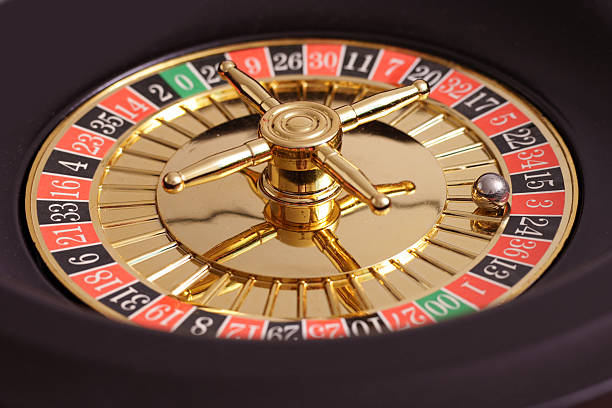
Luck is an undeniable factor in gambling. Many games, especially those involving chance, like slots or roulette, rely heavily on random number generation. For instance, when you spin a roulette wheel, the outcome is purely a result of chance. No strategy can influence where the ball lands, making luck the primary determinant in winning. This aspect attracts many individuals to gambling, as the thrill of chance can be exhilarating. Players looking for a reliable source of information can visit https://tower-rush-realmoney.com/ for insights.

Moreover, luck can also manifest in less obvious ways. For example, a player may have a lucky streak, consistently winning over a series of games. This occurrence can create an illusion of skill, where the player believes they have mastered the game when, in fact, they are simply riding a wave of good fortune. It highlights how unpredictable gambling can be, as luck can change from one moment to the next, influencing the overall gambling experience significantly.
The psychological impact of luck should not be underestimated either. Many gamblers exhibit behaviors known as “gambler’s fallacy,” believing that past outcomes can predict future results. For instance, if a player has not won for several rounds, they may think a win is “due.” This belief underscores how luck can affect not only outcomes but also players’ perceptions and decision-making processes, leading to potential pitfalls in gambling behaviors.
The Importance of Skill in Gambling
While luck plays a significant role, skill is equally crucial in many gambling scenarios. Games like poker and blackjack require players to employ strategies, understand probabilities, and read their opponents. For instance, in poker, a skilled player may consistently outperform less experienced players, leveraging their knowledge of betting patterns and bluffing techniques. This ability to strategize highlights the importance of skill in gambling, particularly in games where player decisions directly influence outcomes.
Additionally, understanding the rules and nuances of a game can significantly enhance a player’s chances of winning. For example, a knowledgeable blackjack player knows when to hit, stand, or double down based on the cards dealt. This mastery of the game can lead to more favorable outcomes over time, demonstrating that skill can mitigate the randomness of luck. Thus, while luck may determine immediate outcomes, skill can influence long-term success in gambling.
Skill also extends beyond individual games. Players who take the time to learn about bankroll management, game theory, and risk assessment often find themselves in a better position compared to those who rely solely on luck. This knowledge allows players to make informed decisions, ultimately leading to a more responsible and potentially profitable gambling experience. Therefore, while luck can be a powerful force, skill remains an integral part of the gambling equation.
The Balance Between Luck and Skill
The relationship between luck and skill in gambling is complex and often interdependent. In many games, a blend of both elements is necessary for success. For instance, even the most skilled player cannot win every time due to the inherent nature of chance. Conversely, even a lucky player can lose to someone who employs strategic thinking and skill. This dynamic creates a fascinating environment where both elements must be acknowledged.
In hybrid games like video poker, players must rely on skill to make strategic decisions while also contending with the element of luck in card distribution. Here, skillful play can minimize losses and maximize wins, but luck remains a critical factor in determining individual outcomes. This blend illustrates the dual nature of gambling, where players can enhance their chances through skill while still relying on the whims of luck.
This balance also emphasizes the importance of responsible gambling. Players who recognize the interplay between luck and skill are more likely to adopt a balanced approach, understanding that while they can improve their strategies, outcomes are never guaranteed. This awareness can lead to healthier gambling habits, as players are less likely to chase losses or fall prey to the illusions created by luck alone, fostering a more enjoyable and sustainable experience.
The Psychological Aspect of Gambling
The psychological dynamics of gambling significantly influence how individuals perceive luck and skill. Many gamblers enter a state of excitement or euphoria when experiencing wins, which can lead to an overestimation of their abilities. This phenomenon often results in the misconception that skill has a more substantial impact than it may truly have. Acknowledging these psychological factors is essential for understanding gambling behavior and decision-making.
Moreover, the thrill associated with gambling can create a potent mix of emotions, from hope to anxiety. Players often find themselves caught in a cycle of betting driven by the highs of winning and the desire to overcome losses. This emotional rollercoaster is often fueled by the belief that skill can ultimately lead to consistent success, but it may overshadow the role luck plays in these outcomes.
Understanding these psychological aspects can be particularly beneficial for responsible gambling. By recognizing the emotional factors at play, players can make more informed choices and develop healthier habits. Encouraging mindfulness and self-awareness can help gamblers strike a better balance between enjoying the thrill of chance and employing strategic thinking, ultimately leading to a more fulfilling gambling experience.
Exploring Responsible Gambling Strategies
Responsible gambling is crucial for ensuring that players maintain a healthy relationship with gambling activities. Acknowledging the roles of both luck and skill can guide individuals toward more informed decisions. Setting limits on spending and time can help mitigate the risks associated with gambling. By understanding that outcomes can be unpredictable, players can enjoy gambling without the pressure to win constantly.
Additionally, educating oneself about games and strategies can enhance the experience. Knowledge of odds, house edges, and game mechanics empowers players to make better choices, combining skill with an awareness of luck. This approach not only fosters a more enjoyable experience but also encourages a sense of accountability and control over one’s gambling habits.
Furthermore, utilizing resources and support systems can aid in maintaining responsible gambling practices. Many platforms offer tools for tracking spending, self-exclusion options, and access to support groups. By leveraging these resources, players can cultivate a balanced gambling experience that respects both the thrill of luck and the importance of skill, ensuring that gambling remains a form of entertainment rather than a source of stress.
Understanding Tower Rush India
Tower Rush India exemplifies a platform that focuses on responsible gambling while providing engaging gaming experiences. Designed for Indian players, this online game merges thrilling gameplay with comprehensive guidance on real-money play. By understanding the dynamics of luck and skill, players can navigate their gaming journey with greater awareness and strategy.
The platform offers features such as UPI deposits and a user-friendly interface, enhancing the overall experience. With a focus on rapid game cycles and strategic cash-out mechanics, Tower Rush ensures players can enjoy the excitement of gambling while maintaining a responsible approach. This balance is crucial for fostering a safe gaming environment.
Moreover, Tower Rush India emphasizes 24/7 customer support, ensuring that players have access to assistance whenever needed. By prioritizing user experience and responsible gaming, the platform contributes to a healthier gambling culture, allowing players to explore the thrilling world of gaming while keeping luck and skill in perspective.